


Home loan processing is slow. Everyone in the mortgage industry knows it. Borrowers know it. Loan officers know it. And mid-market lenders, who sit in the uncomfortable middle ground between nimble fintechs and well-resourced large banks, feel the pressure more than anyone else.
The problem is not just speed. It is the kind of friction that piles up at every step: the back-and-forth document chasing, the missed calls, the in-branch appointments that take three working days to schedule, the KYC verification that stalls a file for a week. When a borrower is watching property prices move, every day of delay costs goodwill and sometimes the deal itself.
Video-based home loan advisory is changing this pattern quietly but meaningfully. Not just by replacing a branch visit with a screen, but by restructuring how the advisory conversation itself happens, what gets verified on the call, what documents get reviewed together, and how much of the process gets completed before the borrower hangs up.
This article explains how video advisory specifically reduces processing time for mid-market lenders in India and Australia, which steps in the home loan journey benefit most, and what the channel actually needs to deliver on its promise.
Why Mid-Market Lenders Have a Processing Problem That Big Banks Do Not
Large banks have scale. They have dedicated origination teams, legal departments on standby, and technology budgets that let them build custom loan origination systems. Fintechs, on the other hand, are built from scratch with speed as a design principle. Mid-market lenders, including regional banks, housing finance companies, and non-bank lenders, have neither luxury.
Their processes are often hybrid: digital at the front end, paper-based somewhere in the middle, and human-dependent at the back. A file travels through four or five departments before a sanction letter goes out. Each handoff is a potential delay.
The advisory stage, the part where a loan officer explains the product, answers questions, collects early-stage documents, and begins identity and income verification, is especially inefficient in a branch or phone-based model. The borrower visits a branch, the officer takes notes, the borrower is asked to come back with additional documents, and then the process starts over. Or a phone call happens, nothing is verified in real time, and the file moves forward with missing information that gets caught later.
Video advisory compresses this first stage significantly.
What Happens in a Video Advisory Session That Does Not Happen in a Phone Call
The difference between a phone advisory and a video advisory is not just that you can see the borrower’s face. The real difference is what you can do together during the call.
A video session allows the loan officer to:
Walk through the loan structure on screen, showing repayment schedules or eligibility calculations in a shared view. The borrower understands faster and asks sharper questions. There are fewer callbacks for clarification.
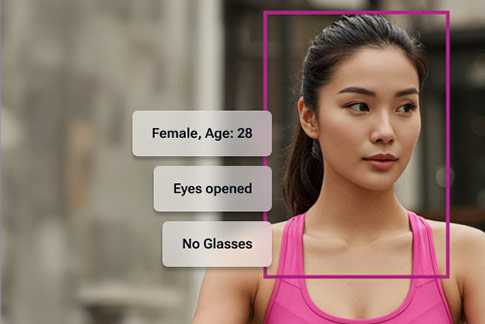
Review and confirm identity documents in real time. When the borrower holds up their PAN card, Aadhaar, or passport during the call, the officer can verify that the person on screen matches the document before the file moves to the next stage. This is what video KYC does, and it removes the need for a separate in-person KYC step entirely.
Collect early-stage income and credit data. With co-browsing on the video call, the officer and borrower can open documents or forms together on screen, fill in information simultaneously, and catch errors on the spot. This eliminates one of the most common causes of processing delay: forms submitted with missing or mismatched information.
Record the session for audit and compliance. The recorded call becomes part of the loan file. This reduces the need for wet signatures on certain declarations and gives the compliance team a verifiable record of what was disclosed and agreed.
Each of these actions, when done in a single structured video session, moves the file forward by days.
The Steps Where Video Advisory Removes the Most Time
Step 1: Pre-Qualification and Product Matching
Before a borrower even applies formally, they need to understand which product they qualify for and why. In a traditional setup, this is either a self-service digital journey (which is fine for informed borrowers but poor for first-timers) or an in-branch conversation that requires commuting.
A video advisory session at this stage means a qualified loan officer can review the borrower’s income profile, credit range, property details, and existing liabilities live, and explain the product options in plain language. The borrower leaves the call with a clear next step rather than a pile of printed brochures.
This reduces the number of incomplete applications that enter the pipeline, which is one of the biggest hidden causes of processing delays.
Step 2: Document Collection and Verification
Document-related delays are the single largest cause of slow turnaround in home loan processing. A file gets stuck because one salary slip is missing. Or the bank statement provided covers eleven months instead of twelve. Or the name on the identity document does not match the application form exactly.
When a loan officer can guide a borrower through document submission live on video, using co-browsing to show exactly what is needed and checking documents as they are shared on screen, the submission quality improves sharply. The officer can flag issues immediately. The borrower can correct or clarify in real time.
Compare this to an email-based document collection process where each round trip takes 24 to 48 hours. A single video session can replace three or four email exchanges.
Step 3: Identity and Income Verification
In India, regulatory frameworks support video-based KYC for lenders. In Australia, digital identity verification has matured considerably. Both markets allow mid-market lenders to conduct meaningful parts of borrower verification through video.
Video-based credit verification and PD calls allow the officer to conduct a personal discussion with the borrower, verify documents on screen, and collect the confirmation needed for underwriting, all in a single session. This replaces what was previously a multi-step sequence: physical document submission, courier or branch visit, manual verification by a back-office team, and follow-up for missing pieces.
The session is recorded. The record is timestamped. The compliance requirement is met without the borrower ever leaving their home.
Step 4: Underwriting Support and Clarifications
Even after a file reaches underwriting, queries come back. The underwriter needs clarification on a specific transaction in the bank statement. Or wants to confirm employment tenure. Or has questions about the property being purchased.
In a phone-only model, underwriting queries become a bottleneck. Each query goes to the relationship manager, who reaches out to the borrower, waits for a response, and relays it back. This can add a week to the timeline.
Video advisory creates a cleaner channel for these conversations. The underwriter’s queries can be addressed in a structured video call where the borrower, the officer, and if needed the underwriter or a credit team member, can discuss the specific point together. The screen-sharing capability means everyone is looking at the same data during the conversation.
How This Fits Into a Full Video Banking Model
Home loan advisory does not exist in isolation. It is one part of a larger relationship between the borrower and the lender.
A mid-market lender with a video branch and video banking setup does not just run one video interaction and then revert to traditional channels. The video channel becomes the primary service interface for a segment of customers who prefer it. Loan status updates, top-up inquiries, interest rate discussions, and renewal conversations all happen through the same platform.
This consistency matters. When a borrower has already verified their identity on video and has an established interaction history with their loan officer on the platform, subsequent interactions are faster. The context exists. The trust has been built. The officer does not need to re-establish the borrower’s profile from scratch.
This is how video advisory compounds its time-saving impact over the life of a loan relationship, not just during origination.
What Mid-Market Lenders in India and Australia Are Navigating
The context matters. Home loan markets in India and Australia are large, competitive, and shaped by specific dynamics.
In India, the affordable and mid-segment home loan market is growing steadily, driven by urbanisation, rising incomes in Tier 2 and Tier 3 cities, and government housing schemes. For lenders trying to serve borrowers in these geographies, the cost of branch-based servicing is high. A borrower in a smaller city visiting a regional office twice for a single loan creates operational cost that does not scale. Video advisory opens the geography without opening a new branch.
In Australia, digital-first borrower behaviour is already well established. Commonwealth Bank of Australia has publicly noted the growth in digital home loan applications, with younger borrowers driving the trend. But digital self-service has limits. Complex borrower situations, investment property loans, and self-employed applicants still need a human advisory conversation. The question for mid-market lenders is whether that conversation happens in-branch or on video.
The operational argument for video is strong in both markets. The per-interaction cost is lower. The geographic reach is wider. The documentation trail is cleaner. And the borrower experience, for those who value convenience, is meaningfully better.
The Honest Limitations
Video advisory is not a silver bullet. There are situations where it falls short.
Borrowers who are not comfortable with technology, particularly older borrowers or those with low digital literacy, may need additional support to participate in a video session effectively. Lenders need to design their video advisory flows with this in mind, including the option to fall back to a branch visit without penalising the borrower or restarting the file.
The quality of the video interaction also depends on connectivity. In parts of India where bandwidth is inconsistent, a video call that drops mid-verification is not just inconvenient. It creates a compliance question about what was actually confirmed before the connection broke. Platform design needs to handle interrupted sessions gracefully, with session continuity and record-keeping that accounts for connectivity issues.
And finally, video advisory reduces processing time most when the underlying processes have already been streamlined. If the underwriting workflow is manual and siloed, the fastest advisory channel in the world will still hit the same bottleneck downstream.
What Good Video Advisory Looks Like in Practice
The best video advisory sessions for home loans share a few characteristics.
They are structured, not open-ended. The loan officer has a checklist of what needs to be confirmed, collected, or verified by the end of the call. The borrower enters the session knowing what to have ready.
They use screen collaboration to reduce ambiguity. When borrower and officer are looking at the same form, the same document, or the same eligibility calculation, there is no room for misunderstanding. The conversation becomes productive faster.
They are recorded and indexed properly. The recording should be searchable by loan file number, date, officer ID, and borrower identity. This makes it usable for compliance, audit, and for any future interactions where the officer needs to recall what was discussed.
They feed into the loan origination system directly. Notes from the session, documents shared on screen, verification outcomes. None of this should require re-entry by a human. The video session should update the file, not create a separate record that someone then manually transcribes.
The Processing Time Advantage, Put Simply
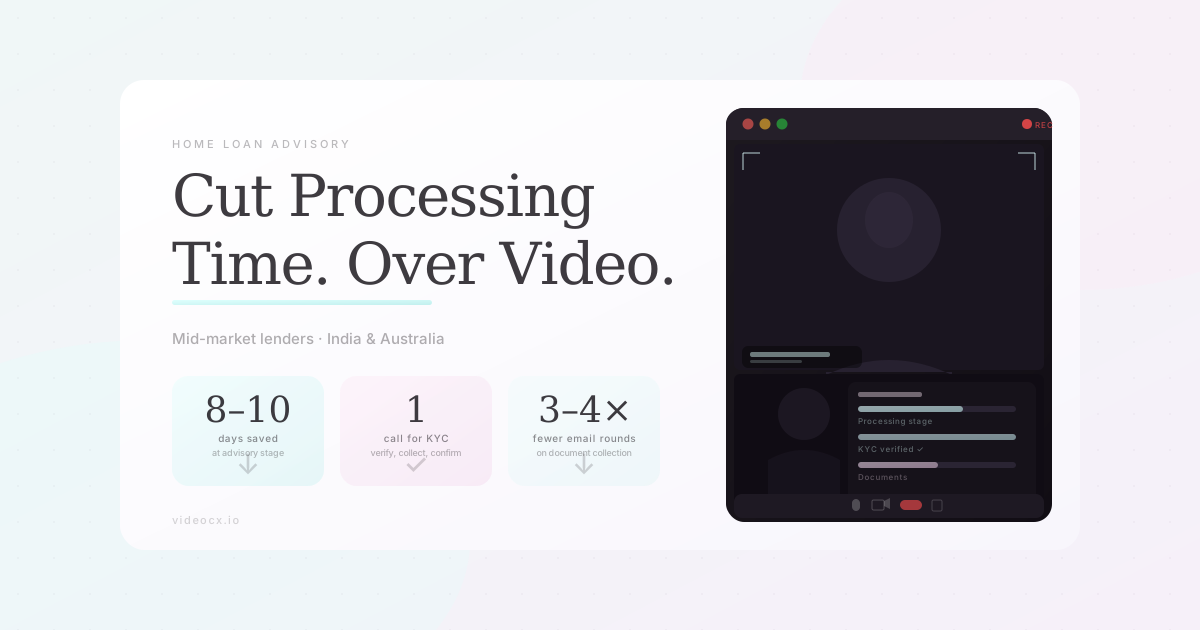
Imagine a home loan that used to take 25 working days from first inquiry to sanction. Of those 25 days, roughly 8 to 10 would be consumed by back-and-forth at the advisory and document collection stage, 3 to 4 by identity verification, and another few by underwriting queries.
A structured video advisory model, with KYC done on the first call, documents collected and checked in the same session, and underwriting queries handled through a follow-up video call rather than a relay of emails, can compress that 25-day timeline noticeably. Not because the lending decision is being made faster but because the information needed to make the decision reaches the right person faster and in better shape.
For mid-market lenders competing against both large banks and digital-native lenders, that compression is a competitive advantage that is visible to the borrower from the very first interaction.
Closing Thoughts
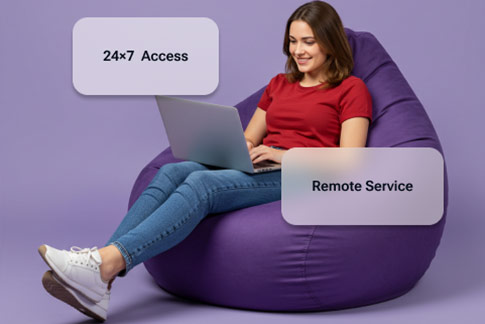
Home loan advisory over video is not about replacing the relationship between borrower and lender. It is about making that relationship work better given how borrowers actually live their lives today: distributed across geographies, short on time, and increasingly unwilling to take a day off work to sit in a branch.
Mid-market lenders who invest in a capable video channel are not just adding a convenience feature. They are restructuring the front end of their lending operation in a way that reduces errors, shortens timelines, lowers servicing cost, and builds a more complete, auditable record of every loan from the first conversation.
That combination of operational benefit and borrower experience improvement is why video advisory has moved from a nice-to-have to a meaningful differentiator in both the Indian and Australian home loan markets.